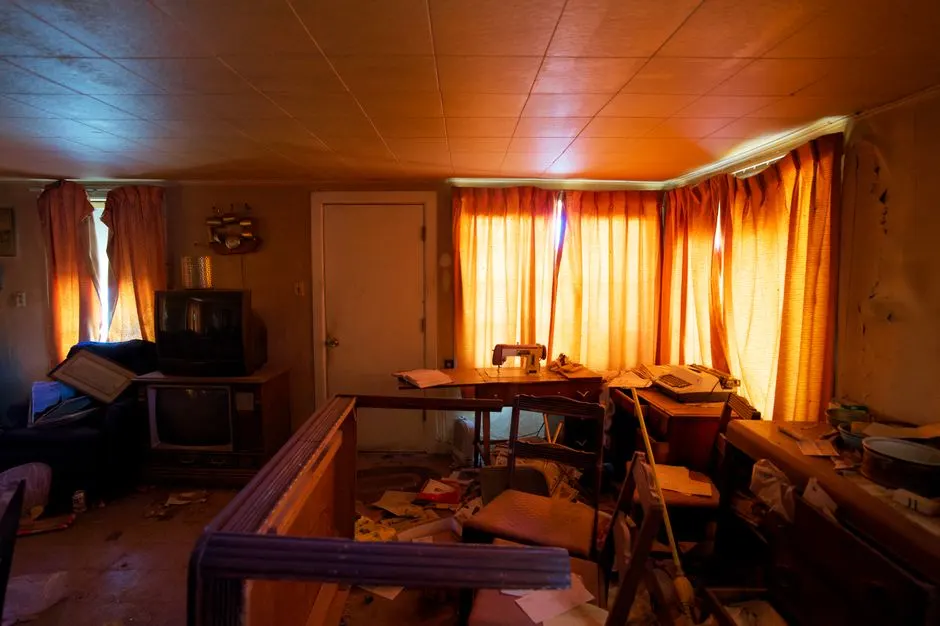
Yes - smoke damage absolutely spreads to rooms that were not burned. In fact, in most house fires we inspect across Gonzales, the rooms with the heaviest smoke residue are the ones the flames never reached. Smoke is a pressurized, traveling mixture of soot particles, gases, and vaporized chemicals, and it moves through every gap, duct, and doorway it can find.
That means the bedroom down the hall, the closets, the attic insulation, and even the inside of your kitchen cabinets can all carry smoke residue and odor. Over the next few sections, we'll walk through exactly how smoke travels through a Gonzales home, what it damages along the way, and what you can do - and shouldn't do - before help arrives.
The Short Answer: Yes, and Faster Than You Think
Smoke damage spread in Gonzales is not limited to the room of origin - it is a whole-house event. Within minutes of ignition, smoke is being pushed through your home's pressure differentials: the HVAC return, the gaps around doors, the recessed light housings, and the plumbing penetrations behind your sinks.
Here's what most homeowners don't realize: smoke particles are tiny. The visible soot you see on a wall is only the larger fraction. The sub-micron particles - the ones that carry the smell and stain fabric - travel like a gas. They slip through a 1/16-inch gap under a closed bedroom door without any trouble.
Within 24 to 72 hours, those particles start bonding to surfaces. On cooler surfaces like glass, tile, and metal, they leave a greasy film. On warmer, porous surfaces like drywall paper, upholstery, and wood trim, they soak in and become much harder to remove.
How Does Smoke Damage Spread in a House in Gonzales?
Smoke spreads through a Gonzales house in four primary ways: air pressure, the HVAC system, natural convection, and porous material absorption. Each one moves smoke into a different part of your home, and each one requires a different cleanup approach.
1. Air Pressure and Stack Effect
Fire heats air, hot air rises, and rising air pushes smoke upward and outward. In a two-story Gonzales home, that means smoke naturally migrates to the second floor and attic before it ever reaches the ground-floor bedrooms. The "stack effect" pulls cooler air in at the bottom of the house and pushes smoke-laden air out through every upper-level crack.
We routinely find the heaviest soot staining on the ceiling of the room directly above a fire, even when there was a closed door between them.
2. The HVAC System
If your air conditioner or furnace was running when the fire started, smoke got pulled into the return air and pushed through every supply vent in the house. That means soot can land on the kitchen counters, inside the bathroom vanity, and across the bedding in a bedroom three rooms away.
Even if the system was off, the ducts themselves hold smoke residue. We see this constantly in Gonzales homes built in the 1990s and 2000s with flexible ductwork in the attic - the foil-lined interior traps odor for months.
3. Natural Convection and Open Floor Plans
Modern Gonzales construction favors open floor plans, which is great for living but terrible for fire containment. Smoke rolls out of a kitchen or utility room and immediately spreads across the living area, up the stairwell, and into every connected space. Vaulted ceilings make it worse - they act like a collection bowl for hot smoke.
4. Porous Materials
Smoke doesn't just sit on surfaces - it absorbs into them. Drywall, unfinished wood, carpet padding, upholstered furniture, and clothing all pull smoke odor into their fibers. That's why a jacket hanging in a closet two rooms away from the fire can smell like a campfire weeks later.
Why Gonzales Homes Are Especially Vulnerable
Gonzales homes face specific conditions that make smoke spread worse than in many other parts of the country. High humidity is the biggest factor. Our average relative humidity sits above 70% for most of the year, and humid air holds odor molecules longer and drives them deeper into porous materials.
We also see a lot of slab-on-grade construction with HVAC systems in the attic. When smoke gets into an attic air handler, it distributes through the entire house in a single cooling cycle. Homes near the Amite River corridor and older properties around Fire Damage Restoration in Galvez often have less sealed ductwork, which makes the problem worse.
If you live in a newer subdivision off Highway 44 or near the Ascension Parish courthouse, your home is likely tight and well-insulated - which is good for your energy bill but bad for smoke. Tight homes trap smoke inside longer and push it into every room before it can escape.
What Smoke Leaves Behind in Untouched Rooms
Smoke residue in unburned rooms is not just a smell - it's a chemical film. Depending on what burned, that film can be acidic, oily, or both. Here's what we typically find when we inspect a Gonzales home after a fire:
- Soot film on walls, ceilings, and horizontal surfaces - often visible as a gray or black shadow along ceiling edges and above door frames.
- Protein residue from kitchen fires - nearly invisible but extremely pungent, and it etches into painted surfaces within days.
- Wet smoke residue from synthetic materials like plastics and foam - it's sticky, smears easily, and leaves a permanent stain if you wipe it wrong.
- Dry smoke residue from paper and wood - powdery, easier to remove, but it travels farther through the air.
- Odor embedded in soft goods - curtains, bedding, upholstery, and clothing absorb odor molecules and hold them for months without treatment.
We've pulled soot-stained clothing out of closets in Fire Damage Restoration in Prairieville homes where the fire was on the opposite end of the house. The closet door was closed the entire time. It didn't matter.
How to Prevent Smoke Damage from Spreading
You can slow smoke spread in the first hours after a fire by cutting off the pathways it uses. Here's what we tell Gonzales homeowners to do while they wait for our team to arrive:
- Turn off the HVAC system at the thermostat. This is the single most important step. It stops smoke from being pulled into the return and pushed through the rest of the house.
- Close interior doors. Every closed door slows smoke migration by minutes - and minutes matter when soot is bonding to surfaces.
- Open windows in unaffected rooms only if the fire is fully out. If the fire department is still on scene, leave everything as is.
- Do not run box fans or ceiling fans. Air movement stirs up settled soot and drives it deeper into fabrics.
- Do not wipe surfaces with a wet rag. Wet-wiping dry soot smears it into the paint and makes professional cleaning harder.
- Cover furniture and electronics with clean sheets. This creates a barrier against falling soot particles.
If your home also took on water from firefighting efforts - which is almost always the case - you're now dealing with two problems at once. Smoke residue plus standing water is a recipe for mold within 24 to 48 hours. Our team handles both through water damage restoration Gonzales LA, and we coordinate the drying and smoke cleanup so nothing gets missed.
Common Mistakes Homeowners Make After a Fire
The wrong move in the first 24 hours can turn a manageable smoke cleanup into a full contents replacement. Here are the mistakes we see most often in Gonzales:
- Running the AC to "clear the air." This is the worst thing you can do. It distributes soot through every duct and vent in the house.
- Using a household vacuum on soot. Standard vacuums blow fine particles back into the air through their exhaust. You need a HEPA-filtered unit.
- Spraying air freshener or burning candles. This masks the smell for a few hours and adds new residue to the surfaces you'll need to clean.
- Waiting to call for help. Soot becomes exponentially harder to remove after 72 hours. Acidic residue starts etching metal and glass within days.
- Assuming closed doors protected the room. They didn't. Smoke travels through gaps you can't see.
One more thing: don't throw away smoke-damaged items until a professional has looked at them. Many items you'd assume are ruined - clothing, documents, electronics, furniture - can be saved through contents cleaning and restoration Gonzales LA. We've restored family photos and heirloom furniture that homeowners had already bagged for the curb.
When to Call a Professional
Call a professional the moment the fire department clears the scene - not the next morning. Smoke damage in other rooms Gonzales LA is not a DIY cleanup. The residue is a health hazard, the odor requires commercial-grade equipment to remove, and the longer it sits, the more it costs to fix.
Our team at firedamageremovalgonzales.com handles the full scope: emergency board-up, soot removal, odor neutralization, contents cleaning, and structural drying. We work directly with your insurance adjuster and document everything with photos and moisture readings so nothing gets denied.
If you're seeing soot on walls in rooms that never burned, that's your signal. It won't get better on its own.
Frequently Asked Questions
Can smoke damage spread to rooms that were not burned in Gonzales LA?
Yes. Smoke travels through HVAC ducts, door gaps, and pressure differentials, reaching every room in the house within minutes. In most Gonzales fires we inspect, unburned rooms carry significant soot and odor residue. Closed doors slow the spread but do not stop it.
How does smoke damage spread in a house in Gonzales?
Smoke spreads through four pathways: air pressure (stack effect), the HVAC system, natural convection through open floor plans, and absorption into porous materials. High humidity in Gonzales makes absorption worse, driving odor deeper into drywall, wood, and fabric than in drier climates.
Who does smoke damage restoration near me in Gonzales Louisiana?
firedamageremovalgonzales.com provides full-service smoke damage restoration in Gonzales and surrounding Ascension Parish communities. We handle soot removal, odor elimination, contents cleaning, and structural drying. Call +1 (225) 545-1003 for a same-day assessment.
Does insurance cover smoke damage in multiple rooms in Gonzales?
Yes, in most cases. Standard homeowner policies cover smoke damage to the full extent it reaches, not just the room of origin. We document every affected room with photos and moisture readings to support your claim. Coverage limits and deductibles vary by policy.
Get Help with Fire Damage Restoration in Gonzales
If smoke has reached rooms the fire never touched, you need a team that knows how to find all of it - not just the obvious damage. We handle Fire Damage Restoration Gonzales LA from emergency response through final walkthrough, and we work directly with your insurance company.
Call us at +1 (225) 545-1003 for a same-day inspection. We'll tell you exactly what's affected, what it takes to fix it, and what your insurance should cover.